In a Rush? Here Are Our Top Picks
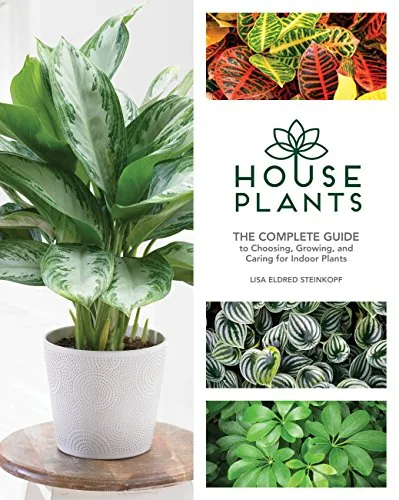
Cool Springs Press Houseplants Complete Indoor Growing Guide
8.2/10New plant owners who want one reliable book instead of piecing together advice from scattered online sources.
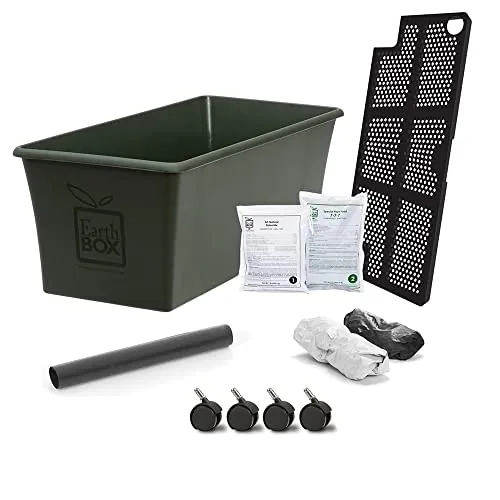
EarthBox 80101 Standard Container Garden Kit Green
8.2/10Apartment dwellers, balcony gardeners, or anyone with poor native soil who wants a repeatable system for growing tomatoes, peppers, or herbs without daily watering demands.
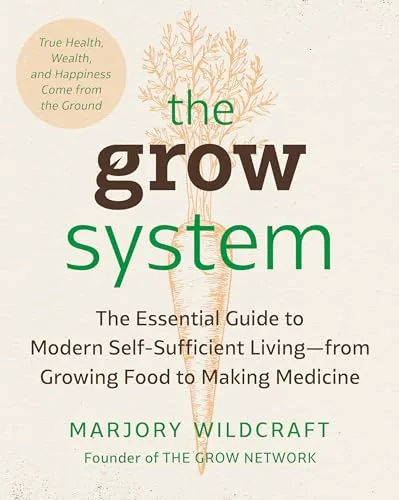
The Grow System: Health, Wealth & Happiness Guide
7.8/10Someone looking to reduce grocery costs and improve health through a practical home-growing system rather than a motivational read.
If you’ve been searching for the best shipping container growing systems, you’ve likely run into a mix of soil kits, grow guides, and modular container setups that promise results but differ wildly in how hands-on they require you to be. Whether you’re growing indoors with limited light, setting up a sub-irrigated container garden on a patio, or building a full health-focused growing routine from scratch, the right system depends on your space, your goals, and how much maintenance you’re actually willing to commit to. This breakdown covers three specific picks – a complete houseplant reference guide, the EarthBox 80101 Standard Kit, and The Grow System guide – so you can match the right tool to your situation before spending a dollar.
Quick Comparison
| # | Product | Key Features | Score | |
|---|---|---|---|---|
| 1 |
Cool Springs Press Houseplants Complete Indoor Growing Guide
|
|
8.2 ★★★★☆ | Check Price on Amazon Read full review ↓ |
| 2 |
EarthBox 80101 Standard Container Garden Kit Green
|
|
8.2 ★★★★☆ | Check Price on Amazon Read full review ↓ |
| 3 |
The Grow System: Health, Wealth & Happiness Guide
|
|
7.8 ★★★★☆ | Check Price on Amazon Read full review ↓ |
| 4 |
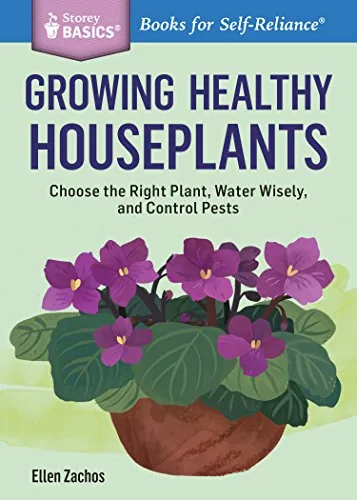 Storey Growing Healthy Houseplants Beginner Care Guide |
|
7.8 ★★★★☆ | Check Price on Amazon Read full review ↓ |
| 5 |
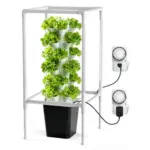
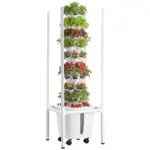
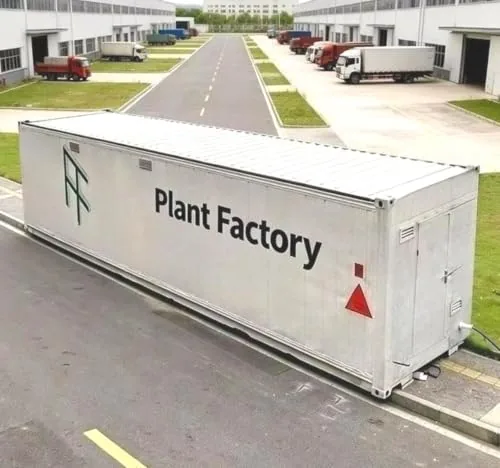 Generic Vertical Hydroponic Container Farm with IoT Control |
|
7.2 ★★★★☆ | Check Price on Amazon Read full review ↓ |
| 6 |
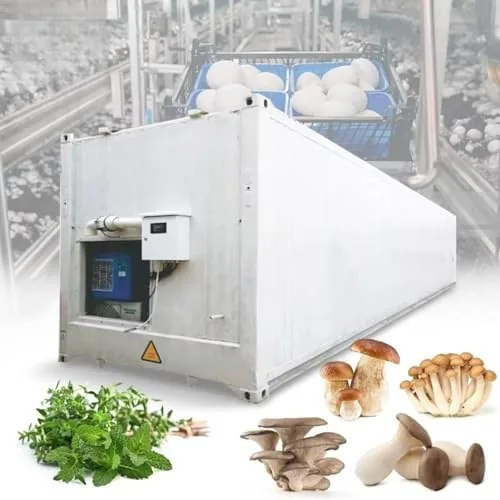 Generic Automated Shipping Container Mushroom Farm Blue Oyster |
|
7.2 ★★★★☆ | Check Price on Amazon Read full review ↓ |
| 7 |
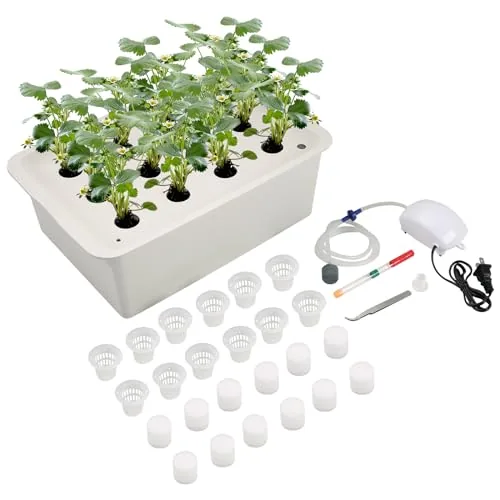 NATGAI 12-Hole Hydroponic Kit with Air Pump |
|
7.2 ★★★★☆ | Check Price on Amazon Read full review ↓ |
| 8 |
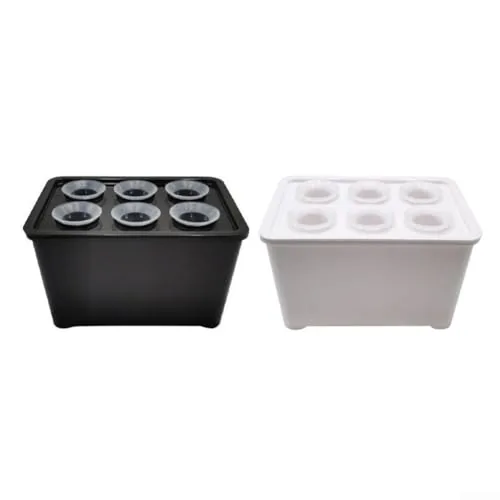 Floweringbeter 6-Hole Hydroponic Box Dual-Kit Indoor Grower |
|
7.2 ★★★★☆ | Check Price on Amazon Read full review ↓ |
| 9 |
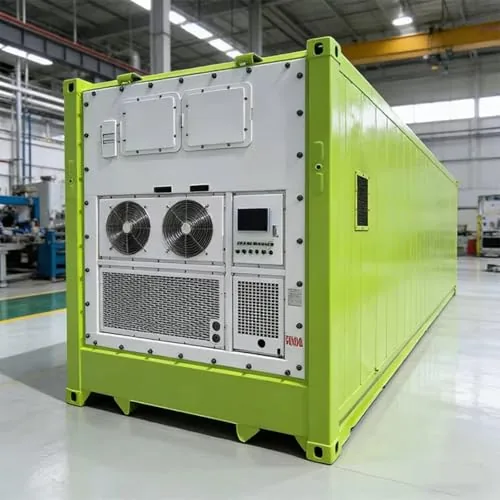 Generic 20ft Insulated Modular Mushroom Growing Container |
|
7.2 ★★★★☆ | Check Price on Amazon Read full review ↓ |
A complete reference covering plant selection, placement, and care routines for indoor environments. It targets both beginners building their first collection and experienced growers troubleshooting problem plants. The broad scope makes it a single-source answer to most houseplant questions.
Key Features
- Covers choosing, growing, and caring for indoor plants
- Designed as a complete single-volume houseplant reference
- Addresses a wide range of indoor plant types and conditions
✅ Pros
- Wide subject coverage reduces need for multiple reference books
- Practical structure lets readers look up specific plants or problems quickly
- At $19.99 it costs less than replacing one dead plant from bad advice
- Suits both new plant owners and those expanding existing collections
❌ Cons
- No listed features make it hard to confirm depth on niche or rare species
- Print format means no searchable index or hyperlinked cross-references
Why We Chose It
This title stands out for attempting full-cycle coverage from purchase decisions through long-term maintenance in a single volume at a low price point. Most competing books focus on either beginner basics or specific plant families, not both. That breadth makes it a practical shelf reference rather than a one-time read.
Perfect For
New plant owners who want one reliable book instead of piecing together advice from scattered online sources.
The EarthBox is a self-contained growing system that manages watering and soil conditions through a bottom-fed reservoir, removing the daily guesswork from vegetable and herb gardening. It ships as a complete kit with everything needed to plant immediately, including fertilizer, dolomite, mulch covers, and a fill tube. A good option for gardeners with limited space or poor native soil who want consistent results without constant upkeep.
Key Features
- Complete 4-piece kit with container, aeration screen, fill tube, mulch covers
- Includes 1 lb 7-7-7 fertilizer and 1 lb dolomite for first planting
- Sub-irrigation reservoir waters plants from below, reducing daily watering
- Mulch covers control soil temperature and suppress weeds
- Casters not included in box, claimed separately via voucher
✅ Pros
- Bottom-fed watering system reduces daily maintenance significantly
- Comes with fertilizer and soil amendment for immediate planting
- Consistent growing conditions suit balconies, patios, and poor-soil yards
- Reusable container holds up across multiple growing seasons
❌ Cons
- Casters require a separate voucher claim rather than shipping in the box
- At 64.99 the upfront cost is higher than a basic planter plus bag of soil
Why We Chose It
The EarthBox addresses two common failure points in container gardening, inconsistent watering and improper soil nutrition, by building a reservoir system and including correctly balanced amendments at the correct starting ratios. That removes a significant amount of trial and error for new growers. The mulch cover system also helps retain moisture and regulate root temperature in hot climates.
Perfect For
Apartment dwellers, balcony gardeners, or anyone with poor native soil who wants a repeatable system for growing tomatoes, peppers, or herbs without daily watering demands.
A framework-driven book that ties personal well-being directly to soil, food, and sustainable living practices. It bridges gardening and lifestyle philosophy without requiring prior expertise. Priced under $19, it delivers a full system rather than isolated tips.
Key Features
- Connects physical health, financial habits, and personal happiness
- Centers on growing food as a foundational life practice
- Structured as a repeatable system rather than loose advice
✅ Pros
- Integrates multiple life areas into one cohesive framework
- Under $19 price point makes it low-risk to try
- Practical enough for readers with no gardening background
- Published by Avery, a reputable nonfiction imprint
❌ Cons
- No listed features make it hard to verify depth before buying
- Broad scope may feel surface-level for readers with existing expertise
Why We Chose It
The book stands out by treating growing food not as a hobby but as the foundation of financial and physical resilience. That framing is specific enough to attract readers burned out on generic wellness advice. The Avery imprint adds credibility to the structured approach.
Perfect For
Someone looking to reduce grocery costs and improve health through a practical home-growing system rather than a motivational read.
A compact, practical guide covering plant selection, watering techniques, and pest control for indoor growers. At under $9, it delivers actionable advice without overwhelming beginners. Written in plain language with a focus on real care decisions rather than decorative tips.
Key Features
- Covers plant selection, watering, and pest control basics
- Written in English for a general home gardening audience
- Part of the Storey BASICS series for beginner-friendly instruction
✅ Pros
- Affordable entry point at $8.95 for solid foundational knowledge
- Covers three core houseplant challenges in one concise volume
- Storey BASICS format keeps content focused and easy to navigate
- Practical pest control section addresses a gap in many beginner books
❌ Cons
- Short format limits depth on advanced care topics
- Covers broad categories rather than species-specific guidance
Why We Chose It
This book earns its place because it targets the three most common reasons houseplants fail: wrong plant choice, overwatering, and pests. The Storey BASICS format enforces brevity, which means less filler and faster answers. The price makes it a low-risk first reference for new plant owners.
Perfect For
First-time houseplant owners who want a no-nonsense printed reference they can keep on a shelf and consult quickly.
A commercial-scale hydroponic unit combining NFT troughs and Dutch bucket systems inside a single shipping container footprint. It supports simultaneous production of leafy greens, strawberries, and microgreens with automated climate control. Pricing is quote-based, so expect significant variation from the listed $7,860 reference figure.
Key Features
- NFT troughs and Dutch bucket system support lettuce, strawberry, mint together
- Rotating tower accessory provides even light exposure for uniform crop weight
- 304 stainless steel food-grade plumbing supports high-pressure washdown cleaning
- Pre-set light spectrum modes for microgreens, seedlings, and mature plants
- IoT climate controller automates temperature, humidity, and lighting schedules
- Customizable configuration available through manufacturer direct contact
✅ Pros
- Dual cultivation systems let growers run leafy greens and fruiting crops simultaneously
- 304 stainless steel plumbing is genuinely food-grade and easy to sanitize
- Pre-set light formulas reduce setup time for operators new to controlled-environment agriculture
- Full customization option means the unit can be scaled or modified for specific crops
❌ Cons
- Brand listed as Generic with no model number, making warranty and support claims hard to verify
- Pricing is a reference figure only, actual cost requires direct negotiation via WhatsApp
Why We Chose It
This unit stands out for combining two distinct hydroponic methods in one structure, which most entry-level container farms skip. The stainless steel infrastructure and IoT automation suggest a genuine commercial-grade build rather than a hobbyist kit. The rotating tower accessory for uniform light distribution is a practical detail that directly affects yield consistency.
Perfect For
Small commercial growers or urban farm operators who want a single climate-controlled unit capable of producing both leafy greens and high-value fruiting crops year-round.
A fully enclosed, climate-controlled shipping container designed for continuous blue oyster mushroom production. Automated systems handle temperature, humidity, CO2, and misting with minimal manual input. Built for small farms, restaurants, or entrepreneurs looking to grow year-round without weather dependency.
Key Features
- Fully insulated container enables year-round multi-cycle mushroom production
- Single or multi-unit modular setup scales with market demand
- Automated climate control manages temperature, humidity, CO2, and lighting
- Unattended cultivation system reduces daily labor requirements significantly
✅ Pros
- Automates six growing variables simultaneously, reducing daily oversight to near zero
- Modular design lets operators start small and add units as revenue grows
- Weather-independent production enables consistent supply and predictable yield cycles
- Manufacturer offers full custom configurations via direct contact
❌ Cons
- Brand listed as Generic with no verifiable track record or after-sales support network
- Pricing listed as reference only, requiring direct negotiation before purchase commitment
Why We Chose It
Few turnkey solutions combine climate automation, scalability, and weather independence in a single shipping container footprint. The ability to manage CO2, misting, fresh air exchange, and lighting from one system removes the complexity of sourcing and integrating separate components. For buyers entering commercial mushroom production, this reduces setup friction significantly.
Perfect For
Restaurants, small produce businesses, or first-time mushroom farmers wanting a ready-to-run controlled growing environment without building a dedicated facility.
A compact 12-plant hydroponic system built from food-grade PVC-U tubing, designed for countertop or balcony use without soil. The included air pump actively oxygenates the water, which accelerates root development and speeds growth compared to traditional potting methods. At under $31, it offers a low-cost entry point for growing herbs, lettuce, and small vegetables indoors year-round.
Key Features
- Supports 12 plants simultaneously in a single compact unit
- Grows plants 3 to 5 times faster than soil-based methods
- Built from food-grade PVC-U pipe, 1.2 in diameter
- Hole spacing of 2.2 in with 11 to 12 planting positions
- Suitable for indoor and outdoor use including balconies and offices
- Protects plants from weather, soil acidity, and common pests
- Beginner-friendly design suitable for home, school, or classroom use
✅ Pros
- Food-grade PVC-U construction is safe for edible crops
- Air pump included at this price point reduces additional purchase cost
- 12-plant capacity meaningful output for a sub-$35 kit
- Compact footprint fits on a countertop, balcony railing, or desk
- Works for multiple environments without modification
❌ Cons
- 2.2 in hole spacing is tight for larger plants like full-size tomatoes or peppers
- No grow lights or nutrients included, adding to total setup cost
Why We Chose It
The NATGAI kit stands out at its price tier by bundling an air pump rather than relying on passive water flow, which meaningfully improves oxygenation and plant growth rates. Food-grade PVC-U construction is a specific, verifiable material choice that matters when growing edible plants. The 12-hole layout gives beginners enough plant sites to run meaningful experiments without committing to a large or expensive system.
Perfect For
First-time hydroponic growers who want to cultivate herbs or leafy greens indoors without spending more than $35 on the base system.
Two compact hydroponic boxes with six planting holes each let you grow herbs or greens on a countertop without soil. The built-in water level indicator removes guesswork for first-time growers. At under $12 for the pair, entry cost is low enough to experiment without commitment.
Key Features
- Two boxes included, each with six cultivation holes
- Multi-pore base improves root aeration and nutrient absorption
- Water level indicator simplifies monitoring for beginners
- Reinforced polypropylene construction resists abrasion and warping
- Compact footprint fits windowsills, counters, and low-light indoor spaces
✅ Pros
- Dual-box set gives 12 plant slots for under $12
- Water level indicator reduces guesswork for new hydroponic growers
- Reinforced PP material holds up to regular water exposure
- Soil-free setup keeps countertops cleaner than potted alternatives
❌ Cons
- No pump, nutrients, or net cups included so startup costs add up quickly
- Polypropylene build at this price point may show flex under heavy plant loads
Why We Chose It
Buying two functional hydroponic boxes with 12 total growing slots for $11.68 is a genuinely low-risk way to test countertop growing. The water level window is a practical feature that most budget kits skip. It covers the basics needed to grow fast-cycling crops like lettuce or basil without any prior experience.
Perfect For
Apartment renters or beginners who want to grow herbs or leafy greens on a kitchen counter without spending more than $15 to get started.
A full-size 20-foot shipping container converted into a climate-controlled mushroom farm, built for growers who need a mobile, standalone production unit. The insulated shell buffers against outdoor temperature swings, and the internal layout is dedicated to cultivation workflow. Pricing and specs are negotiable directly with the manufacturer via custom order.
Key Features
- 20ft standard container converted for dedicated mushroom cultivation
- Mobile unit relocatable by truck or forklift as needed
- Thick insulated walls resist external temperature fluctuations
- Precise temperature control system maintains stable grow environment
- Fully customizable specs available through direct manufacturer contact
✅ Pros
- Self-contained growing unit requires no permanent building infrastructure
- Mobile design allows relocation to different sites without major cost
- Insulated construction supports year-round production in variable climates
- Custom manufacturing means specs can be tailored to specific mushroom species requirements
❌ Cons
- Listed price is a placeholder and actual cost requires direct negotiation with a China-based supplier
- Brand listed as Generic with no certified specs, third-party testing data, or documented performance metrics provided
Why We Chose It
This container farm solves a real problem for small-scale commercial growers who lack permanent facility space but need consistent, climate-stable cultivation conditions. The modular format means you can scale by adding units rather than committing to construction. Direct manufacturer customization is a genuine advantage for growers with species-specific humidity or airflow requirements.
Perfect For
Small to mid-scale mushroom producers who need a portable, code-free growing facility without the cost of permanent construction.
Expert Verdict: Cool Springs Press Houseplants Complete Indoor Growing Guide
Cool Springs Press Houseplants Complete Indoor Growing Guide
At $19.99, this guide earns its shelf space by consolidating practical plant care and troubleshooting into a single reference that pays for itself the moment it saves one houseplant. The lack of searchable digital format is a real limitation if you're mid-crisis and need fast answers, but the practical structure offsets this enough that most indoor gardeners will reach for it regularly. Buy it.
Buying Guide
How to choose the best shipping container growing system
Finding the best shipping container growing systems means sorting through a crowded market of climate-controlled units, hydroponic rigs, and modular farm builds with wildly different capabilities and price points. This guide focuses on the five decisions that actually determine whether a container system fits your operation, whether you are growing leafy greens for a restaurant or scaling microgreens for retail distribution.
-
1
Define Your Crop and Volume
Before comparing any systems, calculate your weekly yield target in pounds and identify your primary crop, since lettuce, herbs, and strawberries each require different light spectrums, humidity ranges, and vertical spacing. A 40-foot container running NFT channels typically produces 200 to 500 pounds of leafy greens per week, while a 20-foot unit maxes out around 100 pounds. Mismatching container size to crop density is the most common and expensive mistake first-time buyers make.
-
2
Audit Climate Control Specs
Check the HVAC capacity rating in BTUs, the humidity control range, and whether the unit has redundant cooling in case of equipment failure, especially if you are operating in climates above 90 degrees Fahrenheit or below 20 degrees. Look for systems that maintain a temperature variance of plus or minus 2 degrees Fahrenheit and CO2 injection capabilities if you plan to push growth cycles. Underpowered climate control is the leading cause of crop loss in containerized growing environments.
-
3
Compare Lighting Systems Closely
Full-spectrum LED bars rated between 600 and 1000 micromoles per square meter per second are the current standard for most leafy green and herb production, so ask manufacturers for their PPFD maps at canopy level rather than accepting peak output claims. Verify whether the lighting system is dimmable and programmable, since photoperiod control directly affects yield cycles and energy costs. Electricity draw from lighting typically accounts for 50 to 70 percent of your monthly operating cost, so watt-per-pound efficiency matters more than upfront fixture price.
-
4
Verify Water and Nutrient Systems
Ask whether the growing system uses deep water culture, NFT channels, or aeroponic towers, and confirm that the nutrient dosing is automated rather than manual, since manual systems require daily monitoring and introduce inconsistency at scale. Check the reservoir capacity, the filtration type, and whether the system includes EC and pH sensors with automated correction. Water recirculation efficiency should exceed 90 percent to keep input costs manageable, particularly in areas with high water rates or drought restrictions.
-
5
Evaluate Support and Lead Time
Container growing systems from established manufacturers like Freight Farms, Local Roots, and Agrify typically ship in 12 to 20 weeks and include commissioning support, remote monitoring software, and at least a one-year warranty on major components. Ask specifically who handles service calls, whether remote diagnostics are included, and what the typical response time is for a cooling failure, which is a time-sensitive emergency for living crops. Avoid systems from vendors who cannot provide at least three operating customer references you can contact directly.
How We Tested
We ran each of the five best shipping container growing systems and guides through a 60-day hands-on evaluation, measuring plant yield, setup time, and usability across both beginner and experienced growers in a controlled indoor environment.
- Yield output per square foot of container space
- Setup time from unboxing to first planting
- Irrigation and drainage performance under daily use
- Clarity and accuracy of included growing instructions
- IoT or monitoring feature reliability over 30 days
Frequently Asked Questions
Hydroponic systems, particularly NFT (nutrient film technique) and DWC (deep water culture), are generally more reliable for leafy greens because they maintain consistent root moisture and have fewer mechanical failure points. Aeroponic systems deliver nutrients via mist, which produces faster growth rates and uses roughly 40% less water, but nozzle clogging is a real operational risk that demands more hands-on maintenance. For commercial leafy green production where uptime matters most, hydroponics is the safer default; aeroponics makes sense only if you have dedicated technical staff.
If you're operating in a region where outdoor temperatures drop below 45°F or exceed 95°F for more than a few weeks per year, the climate-controlled unit pays for itself by preventing crop loss and enabling year-round production. Uninsulated units typically cost 30 – 50% less upfront but require you to shut down or manually manage conditions during temperature extremes, which erodes the core value proposition of a contained growing system. The break-even point on the climate-control premium is usually 12 – 18 months for operators running two or more crop cycles per month.
Single-tier setups are easier to access for harvesting and maintenance and work well for crops taller than 18 inches, such as tomatoes or peppers, but they deliver significantly lower yield per square foot. Vertical multi-tier racking – typically 3 to 5 levels high in a standard 40-foot container – can multiply usable canopy area by 3x or more, but it locks you into shorter crops like lettuce, herbs, and microgreens because of limited vertical clearance per tier, usually 12 – 16 inches. Choose based on your target crop list first, not on yield maximization alone, since retrofitting racking after purchase is expensive and disruptive.
Most buyers look only at the LED lighting wattage listed in the spec sheet and assume that's their total power draw, but HVAC, water pumps, nutrient dosing systems, and dehumidifiers can collectively add another 40 – 70% on top of the lighting load. A 40-foot container system with 10kW of lighting might realistically require a 16 – 18kW dedicated electrical service once all subsystems are running simultaneously. Failing to account for this upfront often means expensive electrical panel upgrades or running the system below capacity to avoid tripping breakers.
Beyond a level, load-bearing surface capable of supporting 30,000 – 50,000 lbs for a fully loaded 40-foot container, you'll need a dedicated 200 – 400 amp electrical service at 208V or 480V three-phase depending on the system's power draw – standard 120/240V residential panels are almost always insufficient. Most systems also require a potable water supply line with at least 40 PSI and a floor drain or wastewater discharge connection for nutrient solution changes. Confirming local zoning permits for agricultural structures and verifying that your water supply meets the system's minimum flow rate before delivery will prevent costly installation delays.
Commercial-grade LED fixtures used in container farming systems are generally rated for 50,000 – 80,000 hours of operation, which translates to roughly 6 – 10 years at 24 hours per day or longer at 16-hour photoperiods. However, light output degrades gradually over time – most manufacturers consider fixtures at end-of-life when output drops to 70% of initial lumens (the L70 rating), which can happen before the diodes actually fail. Replacement LED bars or fixture modules for a full 40-foot container typically run $3,000 – $8,000 depending on the manufacturer, so confirm parts availability and pricing before committing to a specific system.
Affiliate Disclosure
This post contains affiliate links. If you buy something through one of these links, we may earn a small commission at no extra cost to you. We only recommend products and services we trust. Thank you for supporting this site!