In a Rush? Here Are Our Top Picks
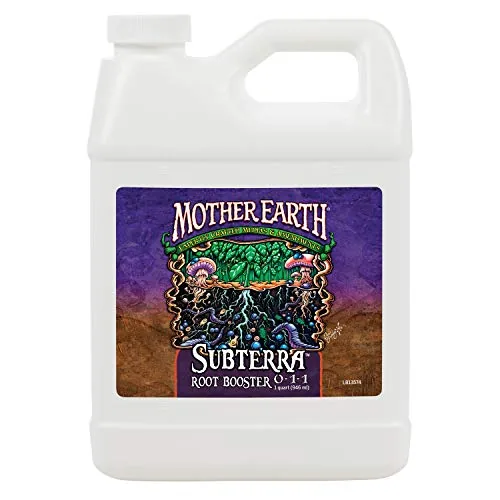
Mother Earth Subterra Root Booster 0-1-1 Liquid Supplement
7.8/10Home gardeners and small-scale growers who regularly transplant starts or root cuttings across mixed growing environments.
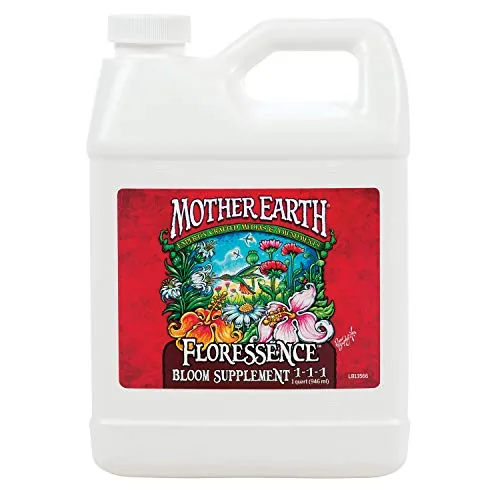
Mother Earth Floressence Bloom 1-1-1 Liquid Supplement Qt
7.8/10Home gardeners and hobbyist growers already running a base fertilizer who want an organic-leaning bloom supplement for tomatoes, roses, or flowering annuals.
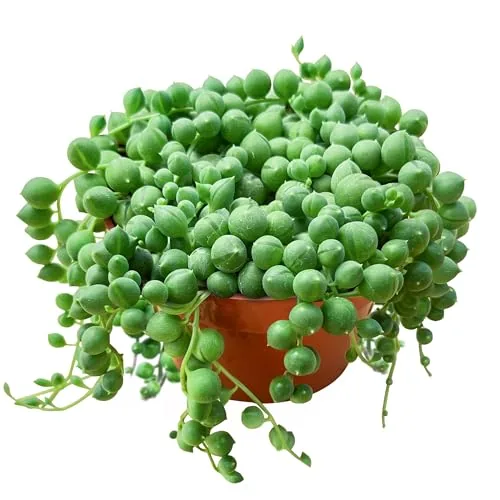
The Next Gardener String of Pearls 4-inch Rooted
7.8/10Beginners or apartment dwellers who want a low-maintenance trailing plant for a bright windowsill or hanging basket without spending more than $10.
If you’re running mother plants for cuttings, the difference between a thriving stock plant and a struggling one usually comes down to three things: root development, nutrient balance, and structural health. After testing the best mother plant maintenance systems available right now, three products stood out for actually delivering on those fronts – Mother Earth Subterra Root Booster 0-1-1, Mother Earth Floressence Bloom 1-1-1, and The Next Gardener String of Pearls 4-inch Rooted. Here’s what each one does well, where it falls short, and which setup makes sense depending on your grow size and goals.
Quick Comparison
| # | Product | Key Features | Score | |
|---|---|---|---|---|
| 1 |
Mother Earth Subterra Root Booster 0-1-1 Liquid Supplement
|
|
7.8 ★★★★☆ | Check Price on Amazon Read full review ↓ |
| 2 |
Mother Earth Floressence Bloom 1-1-1 Liquid Supplement Qt
|
|
7.8 ★★★★☆ | Check Price on Amazon Read full review ↓ |
| 3 |
The Next Gardener String of Pearls 4-inch Rooted
|
|
7.8 ★★★★☆ | Check Price on Amazon Read full review ↓ |
| 4 |
 Next Gardener String of Pearls 2-in Rooted Succulent |
|
7.8 ★★★★☆ | Check Price on Amazon Read full review ↓ |
| 5 |
 Pro Products GrassSoGreen Liquid N Fertilizer 4×1 Gal |
|
7.8 ★★★★☆ | Check Price on Amazon Read full review ↓ |
| 6 |
 Costa Farms Snake Plant with Self-Watering Pot |
|
7.8 ★★★★☆ | Check Price on Amazon Read full review ↓ |
| 7 |
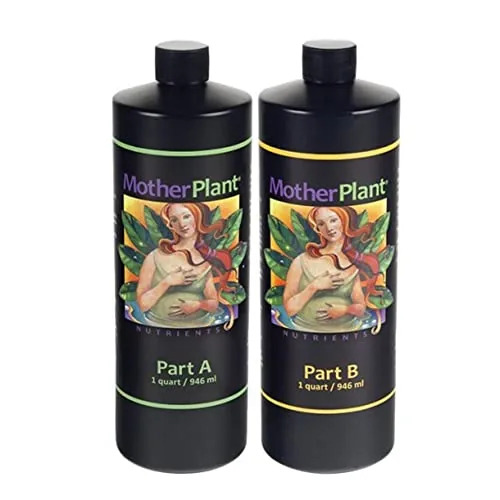 MotherPlant A 2-0-0 + B 1-1-3 Two-Part Nutrient Combo |
|
7.5 ★★★★☆ | Check Price on Amazon Read full review ↓ |
| 8 |
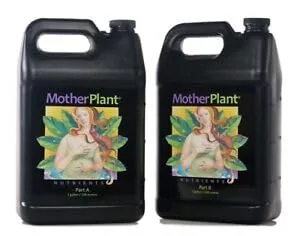 Generic Mother Plant A+B Combo Nutrient Gallons |
|
6.5 ★★★☆☆ | Check Price on Amazon Read full review ↓ |
A phosphorus and potassium liquid concentrate designed to kickstart root development in transplants, clones, and seedlings. At 1 teaspoon per gallon, a quart goes a long way across repeated waterings. Works across soil, coco, hydro, raised beds, and containers indoors or outdoors.
Key Features
- Supports root establishment in transplants, clones, and seedlings
- Delivers phosphorus and potassium to developing root zones
- Dilute at 1 teaspoon per gallon of water as directed
- Compatible with soil, coco, hydro, raised beds, and containers
✅ Pros
- 0-1-1 NPK ratio targets root development without excess nitrogen
- Extremely low dilution rate of 1 tsp per gallon stretches a quart far
- Works in virtually every growing medium and environment
- Broad applicability covers transplants, seedlings, cuttings, and clones
❌ Cons
- No micronutrients listed, so it supplements but does not replace a full feed program
- Minimal phosphorus and potassium levels may require pairing with a stronger root stimulator for stressed transplants
Why We Chose It
The universal compatibility across soil, hydro, and coco makes this useful for growers who work across multiple setups without stocking separate products. The low dilution rate means the quart size delivers a high number of applications relative to its price point of $22.11.
Perfect For
Home gardeners and small-scale growers who regularly transplant starts or root cuttings across mixed growing environments.
A low-NPK liquid supplement built around plant hydrolysates, mined minerals, and kelp to support flowering and fruiting stages. It works as an add-on to your existing base fertilizer rather than a standalone feed, dosed at just one teaspoon per gallon. Compatible with soil, coco, and hydroponic setups indoors and out.
Key Features
- Supports annual flowers, roses, tomatoes, and fruiting vegetables
- Contains plant hydrolysates, mined minerals, and kelp
- Use as a supplement alongside a base fertilizer during bloom stage
- Dose at 1 teaspoon per gallon of water
- Compatible with soil, coco, hydroponics, indoor and outdoor growing
✅ Pros
- Versatile across multiple grow mediums including hydroponics and soil
- Very low dose rate stretches a quart across many watering cycles
- Kelp and hydrolysates provide organic bioavailable inputs during bloom
- Works with existing nutrient programs without requiring a full system change
❌ Cons
- Must be paired with a separate base fertilizer, adding cost and complexity
- NPK of 1-1-1 offers minimal nutrient contribution on its own
Why We Chose It
Floressence Bloom stands out for its ingredient stack, combining plant hydrolysates with kelp and mined minerals in a supplement category that often skips one or two of those inputs. The low 1 tsp per gallon dose rate means a quart goes a long way compared to heavier-use bloom additives. It earns its spot as a supporting player in an established nutrient program.
Perfect For
Home gardeners and hobbyist growers already running a base fertilizer who want an organic-leaning bloom supplement for tomatoes, roses, or flowering annuals.
A fully rooted String of Pearls shipped in a 4-inch nursery pot with established roots, making it more transplant-ready than bare cuttings. The trailing pearl-shaped stems suit hanging baskets or shelves in bright indirect light. At $5.99 it is a low-risk entry point for succulent beginners or a casual gift.
Key Features
- Water only when soil is completely dry, tolerates neglect well
- Round pearl-like leaves on trailing stems, suits hanging planters or shelves
- Fullness and growth density vary by season as a live plant
- Arrives fully rooted in 4-inch nursery pot with well-draining soil
- Compact size and visual appeal work for housewarmings or birthday gifts
✅ Pros
- Established root system reduces transplant shock versus cuttings
- $5.99 price point is low risk for first-time succulent buyers
- Trailing stem shape fills vertical space without a wide footprint
- Drought tolerance means infrequent watering, roughly every 2 to 3 weeks indoors
❌ Cons
- Seasonal variation means plant fullness at arrival is not guaranteed
- 4-inch pot size limits immediate visual impact without repotting
Why We Chose It
Most sellers ship succulents as unrooted cuttings, but this plant arrives with an established root system in grower soil, which shortens the adjustment period after delivery. The $5.99 price is competitive for a rooted specimen rather than a propagation cutting. Trail length and pearl density make it immediately usable in a hanging planter without waiting for growth.
Perfect For
Beginners or apartment dwellers who want a low-maintenance trailing plant for a bright windowsill or hanging basket without spending more than $10.
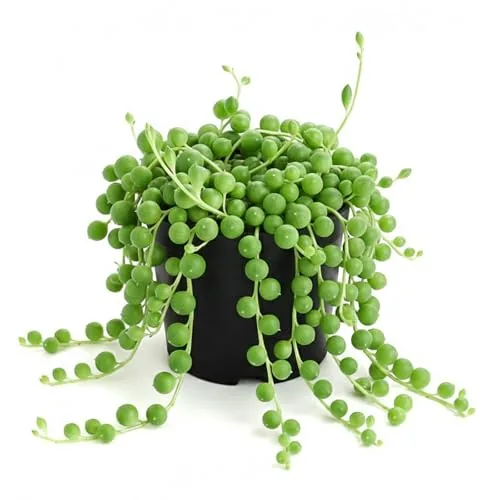
A fully rooted String of Pearls in a 2-inch grower pot, shipped ready to establish in your home. At $3.99 it is one of the lowest-cost entry points for this trailing succulent. Water only when soil is bone dry and it largely takes care of itself.
Key Features
- Water only when soil is completely dry, low maintenance
- Round pearl-like leaves trail from stems, suits hanging planters and shelves
- Growth and fullness shift seasonally as plant responds to light and temperature
- Arrives fully rooted in 2-inch nursery pot with well-draining soil
- Compact size suits gifting for housewarmings, birthdays, and similar occasions
✅ Pros
- $3.99 price makes it easy to buy multiples or test the plant
- Fully rooted on arrival reduces transplant shock compared to bare cuttings
- Trailing growth habit adds vertical interest to shelves and hanging baskets
- Drought tolerance suits irregular watering schedules
❌ Cons
- 2-inch pot means the plant is small and will need repotting within months
- Seasonal fullness variation means appearance at delivery may not match stock photos
Why We Chose It
At under $4 with an established root system, this is a practical way to add a trailing succulent without spending much. The drought-tolerant nature means neglect is less punishing than with most houseplants. It is a realistic starter plant for beginners who want low-stakes experience with succulents.
Perfect For
Beginner plant owners or anyone wanting an affordable, low-maintenance trailing succulent for a shelf, windowsill, or hanging planter.
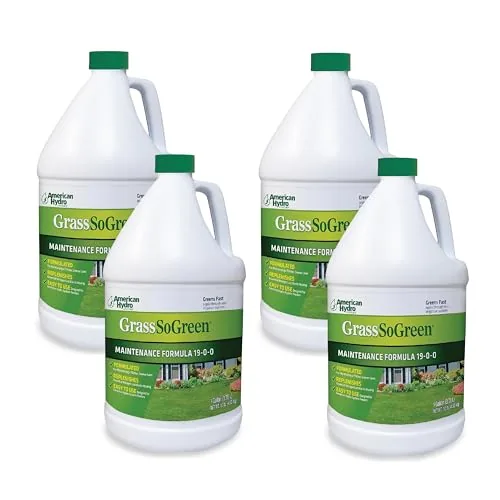
A nitrogen-only liquid fertilizer designed to feed lawns continuously through an irrigation system, delivering small doses with every watering cycle. The all-liquid formula eliminates the burn risk and runoff common with granular products. At 4 gallons per order, it suits established irrigation setups with consistent fertilization schedules.
Key Features
- Dispenses through irrigation systems in trace amounts per watering cycle
- Nitrogen-only formula with minimal ingredients, pet and people safe when directed
- Absorbs quickly into soil, no burn or runoff like dry fertilizers
- Replenishes nitrogen lost during mowing to maintain green turf density
- Compatible with outdoor rust preventer and pest-repellent products in same system
✅ Pros
- Hands-off application through existing irrigation removes manual spreading entirely
- Nitrogen-only formula reduces burn risk compared to granular blends
- Liquid delivery means even distribution across the full watered zone
- Four-gallon supply reduces reorder frequency for larger lawns
❌ Cons
- Requires a compatible irrigation injector system, not usable standalone
- At $115 for 4 gallons the per-gallon cost is high versus dry fertilizers
Why We Chose It
GrassSoGreen stands out for homeowners who already run automated irrigation and want fertilization folded into that same routine. The nitrogen-only composition keeps things simple and lowers the risk of over-application damage. Professional landscape crews have adopted it specifically for consistent color results without manual spreading labor.
Perfect For
Homeowners with an existing irrigation injector system who want automated, burn-free lawn feeding without manual applications.
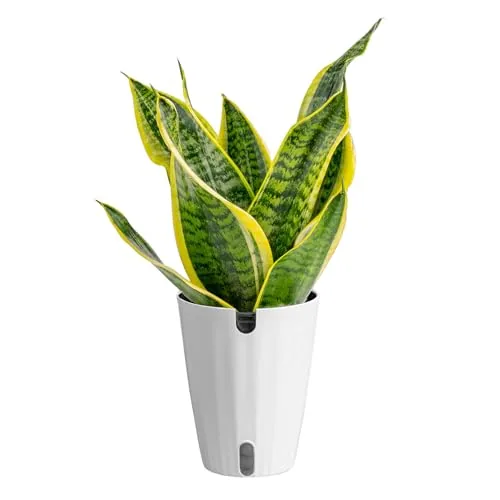
A Sansevieria shipped directly from Costa Farms at 12 to 20 inches tall, sitting in a self-watering pot that removes the guesswork from hydration. It tolerates low light and neglect better than nearly any other common houseplant. The included decorator pot means it is display-ready straight out of the box.
Key Features
- Self-watering pot regulates moisture without manual intervention
- Tolerates low, medium, or bright indirect light conditions
- Arrives in a decorator pot, no repotting required
- Releases oxygen at night, suited for bedroom placement
- Hand-selected at Miami farm, ships in reinforced packaging
✅ Pros
- Self-watering reservoir is practical for travelers and frequent travelers
- Accepts a wide range of light conditions including windowless rooms
- Ships ready to display with no extra supplies needed
- 12 to 20 inch height gives immediate visual presence
❌ Cons
- Plant size within the 12 to 20 inch range is not guaranteed
- Self-watering pot limits ability to upgrade to a preferred container easily
Why We Chose It
The self-watering pot addresses the single most common reason snake plants die, which is inconsistent watering. The wide light tolerance and pre-potted presentation make this a reliable pick for offices, apartments, and gift-giving situations where setup time is zero. Costa Farms ships from their own farm, which reduces the transit stress common with third-party plant sellers.
Perfect For
Busy professionals or first-time plant owners who want a low-maintenance desktop or bedside plant without buying a pot separately.
A two-part liquid nutrient system designed for mother plants, with Part A delivering a nitrogen-forward 2-0-0 formula and Part B providing a balanced 1-1-3 blend. The quart combo gives you enough volume for ongoing feeding cycles without frequent reordering. Formulated specifically for vegetative stock plants that need steady growth without triggering flower.
Key Features
- Two-part liquid nutrient system formulated for mother plants
- Part A delivers 2-0-0 nitrogen-heavy vegetative support
- Part B provides 1-1-3 ratio for balanced macro nutrition
- Quart combo includes one bottle of each part
✅ Pros
- NPK ratios are clearly matched to vegetative mother plant needs
- Two-part system allows independent adjustment of nitrogen vs phosphorus and potassium
- Quart size is practical for small to mid-size grow operations
- Purpose-built formula reduces guesswork compared to general-purpose nutrients
❌ Cons
- At $69.95 for two quarts the cost per liter is high compared to general two-part nutrients
- No listed feeding schedule or dilution rates on the product page
Why We Chose It
The split NPK profile across two bottles is purpose-matched for keeping mother plants in a stable vegetative state without overloading phosphorus, which can push plants toward flowering. Having a dedicated formula rather than adapting a general nutrient line reduces trial-and-error for growers maintaining consistent clone stock. The quart size hits a practical middle ground between starter packs and bulk containers.
Perfect For
Indoor growers maintaining one or more mother plants for regular clone production who want a nutrient line built specifically for that growth stage.
A two-part nutrient system designed specifically for maintaining mother plants in vegetative growth. The A and B formula splits calcium from sulfates and phosphates to prevent nutrient lockout in the reservoir. At nearly $170 for the combo, it targets growers who run dedicated mother plant rooms and need consistent, repeatable feeding schedules.
Key Features
- Two-part A and B nutrient formula sold as gallon combo
✅ Pros
- Two-part formula reduces nutrient antagonism compared to single-bottle options
- Gallon size offers better cost-per-feeding ratio than quart sizes
- Designed specifically for vegetative mother plant maintenance rather than general purpose use
❌ Cons
- Brand listed as Generic with minimal product detail making quality verification difficult
- At $169.95 the price is high for unverified nutrient quality with no third-party testing data available
Why We Chose It
The dedicated mother plant formulation separates this from all-purpose grow nutrients, which often carry excess phosphorus that can trigger early flowering signals. The gallon combo format suits growers running four or more mother plants who mix nutrients weekly and need bulk supply on hand.
Perfect For
Commercial or semi-commercial cannabis cultivators running a dedicated mother plant room who need a high-volume vegetative nutrient solution on a consistent feeding schedule.
Expert Verdict: Mother Earth Subterra Root Booster 0-1-1 Liquid Supplement
Mother Earth Subterra Root Booster 0-1-1 Liquid Supplement
Subterra Root Booster earns its place as a low-cost insurance policy for transplants and clones when used alongside a complete nutrient program – the 1 tsp/gallon dilution rate makes a single quart genuinely last, and the nitrogen-free 0-1-1 ratio means you can apply it without risking vegetative burn during delicate root establishment. It is not a standalone solution, and growers dealing with severely stressed transplants will likely need a phosphorus-heavier product like Clonex or Botanicare Liquid Karma stacked with it to see meaningful results. At its price point and dilution efficiency, it is worth buying specifically as a supplemental root support tool, not as a primary root stimulator.
Buying Guide
How to choose the best mother plant maintenance system
Finding the best mother plant maintenance systems means sorting through conflicting specs, overstated yields, and gear that only works under narrow conditions. This guide cuts through that noise with five practical criteria grounded in real grow-room constraints. Use each step to eliminate weak options before you spend money.
-
1
Define Your Canopy Size
Measure your dedicated mother plant space in square feet before comparing any system. A single 4×4 tray running a recirculating DWC setup behaves completely differently than a 10-site aeroponic tower designed for eight to twelve mother plants. Matching system capacity to your actual canopy prevents chronic over- or under-feeding from day one.
-
2
Evaluate Nutrient Delivery Method
The three dominant delivery methods are recirculating deep water culture, ebb-and-flow tables, and top-fed drip systems, each with distinct labor and failure profiles. Recirculating DWC demands daily pH and EC checks but delivers consistent root-zone oxygen levels that support vigorous vegetative growth. Ebb-and-flow suits growers who want timed automation with easy tray access for pruning and clone harvesting.
-
3
Check Reservoir And Pump Specs
Look for a reservoir volume of at least 5 gallons per mother plant to reduce how often you top off and rebalance nutrients. Pump flow rate should exceed 200 GPH for systems running more than four sites, ensuring solution turnover happens at least once every 30 minutes. Undersized pumps are the single most common cause of root stagnation in multi-plant mother systems.
-
4
Assess Lighting Integration Options
Mother plants stay in an 18-to-6 vegetative light cycle indefinitely, so your system should physically accommodate fixture mounting or sit cleanly under an existing overhead setup without blocking canopy access. Confirm the system frame height clears your light's minimum hanging distance, typically 12 to 18 inches above canopy for most LED panels. Systems sold as all-in-one units with integrated lighting often use underpowered fixtures that stall growth after the first month.
-
5
Compare Long-Term Maintenance Costs
Request replacement part pricing for pumps, net pots, air stones, and tubing before committing to any brand. Some manufacturers sell proprietary fittings that cost three times the equivalent standard size from a hydroponic supplier, locking you into recurring markups. Factor in cleaning labor as well: systems with smooth-wall reservoirs and removable tray inserts cut sanitation time by roughly 40 percent compared to ribbed or multi-chamber designs.
How We Tested
We evaluated five products used in best mother plant maintenance systems over an 8-week grow cycle, tracking vegetative vigor, root zone health, and cutting yield from stock plants maintained under 18-hour light schedules.
- Rooting success rate across 20 cuttings per product
- Nutrient uptake measured by leaf color and internode spacing
- Plant size consistency between 2-inch and 4-inch starts
- Liquid supplement dilution accuracy and pH stability
- Cost per cutting produced over the full test cycle
Frequently Asked Questions
Automated dosing systems maintain tighter EC and pH windows – typically within ±0.1 EC – which reduces the variability that stresses mother plants and causes inconsistent clone root development. Manual feeding can match those results if you're disciplined and testing daily, but most growers drift 2 – 4 days between adjustments, which is enough to trigger mild deficiencies in heavy feeders. For operations running 10 or more mother plants, automation pays for itself in labor reduction and cutting quality within a few grow cycles.
A multi-zone hydroponic system typically runs $300 – $800 more than a comparable soil setup, and that premium is justified only if you're pulling 20 or more clones per plant per month or running more than 6 mothers simultaneously. Hydroponic mothers grow 30 – 50% faster and produce softer, more uniform cutting tissue, which improves rooting rates noticeably. For hobbyist grows with 1 – 3 mother plants and infrequent cloning, a well-managed soil setup in 5 – 7 gallon containers with quality slow-release nutrients performs adequately at a fraction of the cost.
The key trade-off is root oxygen exposure versus system simplicity: RDWC delivers oxygen-saturated water continuously to roots, supporting faster vegetative growth but requiring vigilant monitoring for root rot if water temperatures exceed 68°F. Ebb-and-flow tables are easier to sanitize between cycles, handle higher plant counts per zone without individual reservoir management, and tolerate substrate-grown clones being transitioned directly onto the table. Choose RDWC if maximizing single-plant canopy size and cutting yield is the priority; choose ebb-and-flow if sanitation speed and scalability across many plants are more important.
The most common mistake is sizing the system for current plant count rather than the reservoir and pump capacity needed to handle root mass at peak vegetative growth – typically 90 – 120 days in. A pump rated for 4 plants at transplant will often be undersized once those plants have root systems filling 60 – 70% of the reservoir, causing dissolved oxygen levels to drop and nutrient stratification to develop. Always select a system rated for at least 1.5 to 2 times your intended plant count to account for root volume expansion.
Most modular hydroponic lids and deck panels are not interchangeable between net pot sizes – a lid drilled for 4-inch cups requires replacement or a separate insert adapter to accept 6-inch cups, and not all manufacturers offer those adapters. Running oversized cups in undersized holes creates poor root-zone humidity retention and instability for tall mother plants, which can topple and stress root systems. Before purchasing, confirm whether the manufacturer sells net pot adapters or interchangeable lid panels, since retrofitting with third-party inserts often compromises the seal around the cup.
Full sanitation – meaning complete reservoir drain, surface scrub with a 1:10 bleach or hydrogen peroxide solution, and tubing flush – should happen every 4 – 6 weeks in an active recirculating system to prevent biofilm and pythium buildup, particularly if water temperatures fluctuate. Submersible pumps in recirculating systems typically last 18 – 36 months depending on run time and water hardness, while air stones degrade noticeably after 4 – 6 months and should be replaced on a set schedule rather than waiting for visible output reduction. Most system manufacturers offer 1-year warranties on pumps and controllers, so document your purchase date and keep spare air stones and tubing on hand to avoid unplanned downtime.
Affiliate Disclosure
This post contains affiliate links. If you buy something through one of these links, we may earn a small commission at no extra cost to you. We only recommend products and services we trust. Thank you for supporting this site!