If you’re running a screen of green (SCROG) setup inside a grow tent, the trellis net you choose directly affects how well you can train your canopy, manage airflow, and ultimately how much you yield per square foot. After testing elastic netting systems across 2×2, 3×3, and 4×4 tent footprints, three options stood out for build quality, hook reliability, and stretch consistency: the AC Infinity 3×3 Elastic Trellis Net with Steel Hooks, the TORINALITAL Elastic Scrog Trellis Net 2x4ft Steel Hooks 2pk, and the AC Infinity 4×4 Elastic Trellis Net with Steel Hooks. Here’s what you need to know before buying.
Quick Comparison
| # | Product | Key Features | Score | |
|---|---|---|---|---|
| 1 |
 AC Infinity 3×3 Elastic Trellis Net with Steel Hooks
|
|
8.2 ★★★★☆ | Check Price on Amazon Read full review ↓ |
| 2 |
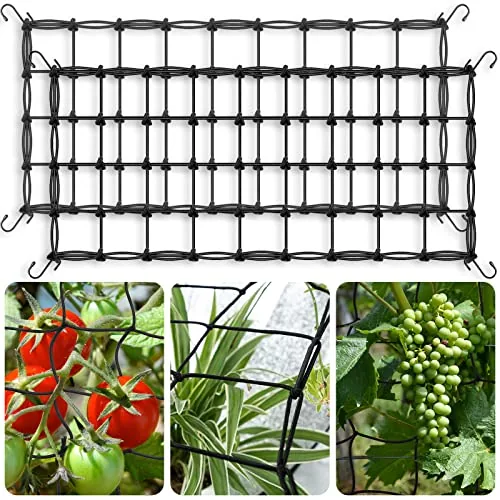 TORINALITAL Elastic Scrog Trellis Net 2x4ft Steel Hooks 2pk
|
|
8.2 ★★★★☆ | Check Price on Amazon Read full review ↓ |
| 3 |
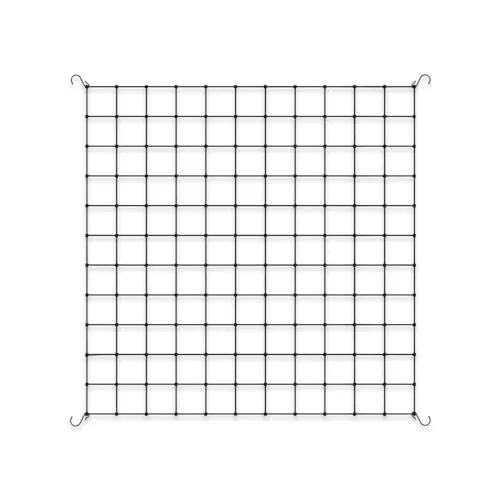 AC Infinity 4×4 Elastic Trellis Net with Steel Hooks
|
|
7.8 ★★★★☆ | Check Price on Amazon Read full review ↓ |
| 4 |
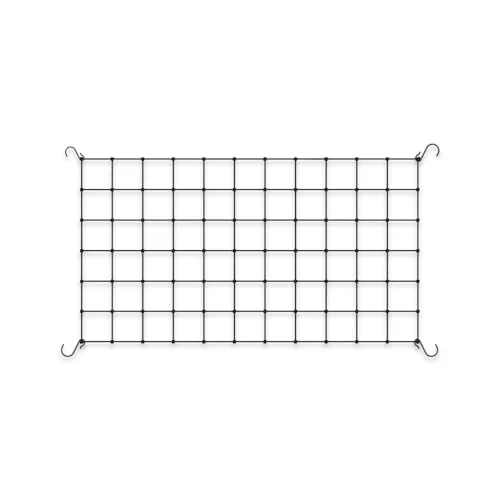 AC Infinity Elastic Trellis Net 2×4 with Steel Hooks
|
|
7.8 ★★★★☆ | Check Price on Amazon Read full review ↓ |
| 5 |
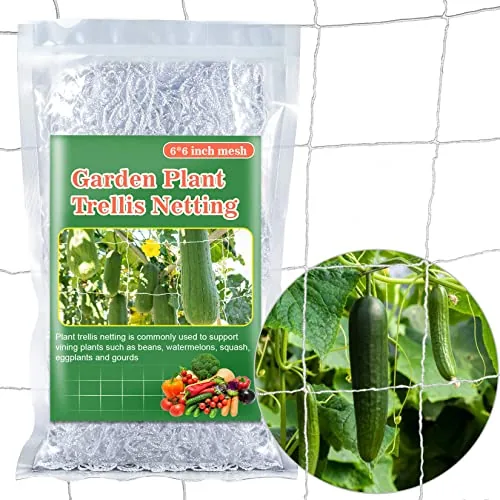 Sukh Polyester Trellis Netting 5x15ft 6-inch Mesh
|
|
7.8 ★★★★☆ | Check Price on Amazon Read full review ↓ |
| 6 |
 BSTPCOO 2×2 Elastic Scrog Trellis Net with Hooks
|
|
7.8 ★★★★☆ | Check Price on Amazon Read full review ↓ |
| 7 |
 Yeestone Scrog Net 4×4 Grow Tent Trellis
|
|
7.5 ★★★★☆ | Check Price on Amazon Read full review ↓ |
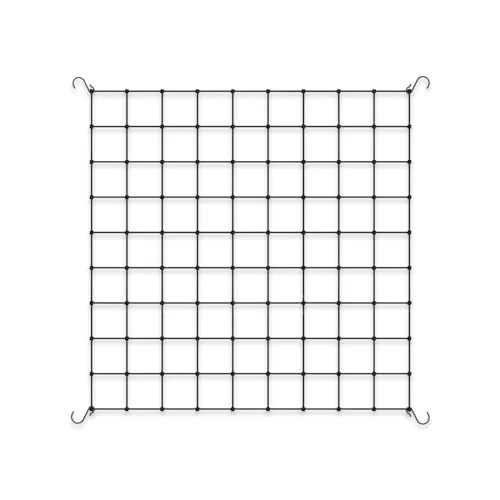
A stretch-to-fit trellis net built for standard 3×3 grow tents, using elastic polyester-covered cords instead of rigid nylon. Steel hooks clip directly onto tent frame poles without tools. At under $12, it covers the basics for training heavy-yielding plants like tomatoes and cannabis.
Key Features
- Elastic rubber cords wrapped in polyester support heavy fruit and buds
- Steel hooks clip onto grow tent frame poles, height adjustable
- Soft non-abrasive mesh cells protect stems during training and pruning
- Stretches to fit a 3×3 foot grow tent footprint
- Compatible with tomatoes, peas, eggplants, flowers, and climbing vegetables
✅ Pros
- Elastic cords absorb weight stress better than rigid nylon netting
- Steel hooks provide secure attachment to standard tent frame poles
- Non-abrasive material reduces stem damage during LST training
- Under $12 makes it easy to run multiple nets per tent
❌ Cons
- Sized only for 3×3 tents, larger grows need multiple units
- Elastic stretch means cell sizing is not fixed or uniform
Why We Chose It
The elastic cord construction sets this apart from cheap fixed-grid nylon nets, which can cut into stems or snap under fruit weight. Steel hooks are a practical detail that most budget trellis nets skip. The price makes it a low-risk addition to any small tent setup.
Perfect For
Home growers running a 3×3 tent who want to train cannabis, tomatoes, or climbing vegetables without damaging stems.
Two elastic polyester trellis nets sized 2×4 feet, each fitted with steel hooks that clip directly onto grow tent frames. The stretchy mesh supports heavy fruiting plants while keeping stems unbruised during training. At $11.99 for two panels, it covers a standard 2×4 tent setup without buying extras.
Key Features
- Supports lateral growth and heavy yields including fruit and buds
- Elastic polyester mesh handles weight of climbing fruits and vegetables
- Non-abrasive cell openings protect stems and allow pruning access
- Steel hooks clip onto grow tent frames with adjustable height
- Stretches to 2x4ft and suits tomatoes, peas, flowers, and eggplants
✅ Pros
- Two panels included for $11.99, covering a full 2×4 tent
- Steel hooks attach directly to tent frame without extra hardware
- Elastic mesh adapts to irregular plant growth without snapping
- Non-abrasive material reduces stem damage during training
❌ Cons
- No stated mesh cell size, making it hard to verify fit for specific plant stems
- Elasticity may reduce long-term tension support for very heavy yields
Why We Chose It
This kit removes the common frustration of buying one net for a two-section tent by including two panels at a price below most single-net competitors. The steel hook system is a meaningful upgrade over zip ties or bungee cords that slip over time. Polyester construction resists moisture in humid grow tent environments better than untreated natural fiber nets.
Perfect For
Indoor hydroponic or soil growers using a 2×4 foot tent who need a ready-to-hang scrog setup for tomatoes, peppers, or cannabis without improvising their own support system.
A purpose-built trellis net sized for standard 4×4 grow tents, using elastic polyester-sheathed cords instead of rigid twine. Steel hooks clip directly onto tent frame rails, removing the need for zip ties or tape. At $13.99, it covers lateral support for heavy fruiting plants without overcomplicating the setup.
Key Features
- Elastic cords support heavy fruits and vegetables during growth
- Polyester-sheathed rubber cords resist abrasion and bear significant weight
- Non-abrasive cells protect stems and allow pruning access
- Steel hooks clip onto tent frames with adjustable height positioning
- Stretches to 4×4 feet for tomatoes, peas, eggplants, and flowers
✅ Pros
- Steel hooks provide a secure no-slip connection to standard tent frames
- Elastic cords accommodate plant movement without snapping stems
- Non-abrasive cell openings reduce stem bruising during training
- Fits the most common 4×4 tent footprint without trimming or modification
❌ Cons
- Sized only for 4×4 tents, requiring a separate purchase for larger setups
- Elastic cords may lose tension over multiple grow cycles with heavy loads
Why We Chose It
The combination of elastic cords and steel hooks addresses two common trellis failures: rigid netting that stresses stems and clip systems that slip under load. The polyester sheathing adds durability that bare rubber cords lack. At under $14, the material quality is appropriate for the price point without unnecessary extras.
Perfect For
Indoor growers running a single 4×4 tent who need reliable lateral support for tomatoes, peppers, or cannabis without building a custom trellis system.
A purpose-built trellis net sized for standard 2×4 grow tents, using elastic polyester-sheathed cords rather than rigid string. Steel hooks clip directly onto tent frame bars, removing the need for zip ties or improvised rigging. At under $11, it covers the core function without unnecessary complexity.
Key Features
- Elastic rubber cords in polyester sleeve support heavy fruiting plants
- Soft non-abrasive cell edges protect stems during growth and harvest
- Steel hooks clip onto tent frame for height-adjustable positioning
- Net stretches to 2×4 feet covering tomatoes peas eggplants and flowers
- Designed to encourage lateral branching and support dense canopy yields
✅ Pros
- Elastic cord absorbs plant movement without snapping or cutting stems
- Steel hooks are a meaningful upgrade over flimsy plastic alternatives
- Fits 2×4 tent frames without modification or additional hardware
- Sub-$11 price makes it replaceable each grow cycle without budget concern
❌ Cons
- 2×4 coverage only suits smaller tents and won’t scale to 4×4 or larger setups
- Elastic stretch means cell sizing isn’t perfectly uniform under load
Why We Chose It
The combination of elastic cord construction and proper steel hooks separates this from cheap polypropylene netting that cuts into stems or requires manual knotting to stay in place. AC Infinity builds this to integrate with their own tent ecosystem, so fitment on standard tent frames is reliable rather than assumed.
Perfect For
Indoor growers running a 2×4 tent who want a low-cost, stem-safe SCROG or canopy support net without rigging workarounds.
A 5 by 15 foot polyester nylon net with 6-inch square openings designed to support climbing vegetables and fruits vertically or horizontally. At under $7, it covers a substantial grow area for the price. Works with frames, posts, or ground stakes and suits both tents and outdoor garden beds.
Key Features
- Polyester nylon construction resists breaking and supports heavy crop loads
- Dimensions 5 by 15 ft with 6 by 6 inch square grid openings
- Supports tomatoes cucumbers beans eggplants and other climbing plants
- Attaches to frames posts or ground stakes vertically or horizontally
- Improves air circulation around plants and simplifies harvesting
✅ Pros
- Large 5 by 15 ft coverage area at a low $6.99 price point
- 6-inch square mesh works for most common climbing vegetables
- Reusable material holds up across multiple growing seasons
- Flexible orientation suits both vertical trellising and horizontal canopy use
❌ Cons
- No hardware or ties included so installation requires separate fasteners
- Long-term UV durability of the polyester is not specified
Why We Chose It
At $6.99 for a 75 square foot net, the price-to-coverage ratio is hard to beat for home gardeners on a budget. The 6-inch mesh opening is a practical size that fits most climbing vegetables without restricting airflow or access. Reusable polyester construction means it can pay for itself over multiple seasons.
Perfect For
Budget-conscious home gardeners growing tomatoes, cucumbers, or beans in raised beds, grow tents, or against fences.
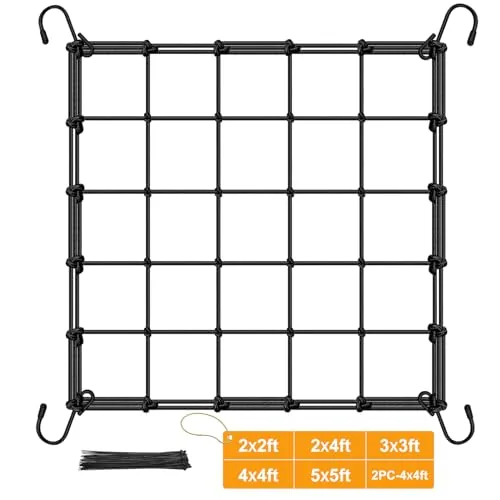
A stretchy polyethylene and rubber trellis net sized for 2×2 ft grow tents, with 4 S-hooks and 16 ties included for quick setup. The elastic mesh flexes under the weight of heavy fruiting plants without cutting into stems. At under nine dollars, it covers a full 2×2 canopy without the rigidity that causes stem damage.
Key Features
- Supports climbing plants and promotes even horizontal canopy spread
- Made from polyethylene and rubber blend for flexibility under load
- Fits indoor or outdoor use including potted plants fruits and vegetables
- Designed for 2×2 ft grow tents with adjustable hook positioning
- Includes 4 S-hooks and 16 ties for immediate installation
✅ Pros
- Elastic material flexes under fruit weight without snapping or cutting stems
- Includes all mounting hardware so no separate purchases needed
- Works indoors and outdoors covering grow tents stakes and pots
- Collapsible via hooks to fit smaller spaces than a full 2×2 ft
- Price under nine dollars makes it low risk for first-time scrog growers
❌ Cons
- Sized only for 2×2 ft tents so larger grows need multiple units
- Rubber component may degrade faster than pure nylon in UV-heavy outdoor setups
Why We Chose It
The elastic construction sets it apart from rigid plastic netting that cuts into soft stems during heavy fruiting stages. Bundled S-hooks and ties mean it mounts directly to tent poles without sourcing extra hardware. The low price point makes it practical to run multiple units across different tent sizes.
Perfect For
Indoor hydroponic growers running a 2×2 ft tent who want a ready-to-install scrog net without spending on premium options.
A stretchy nylon trellis net designed for 4×4 grow tents, with 4×4 inch mesh spacing that gives you room to train stems, prune, and harvest without dismantling the net. It ships with 4 attachment hooks and compresses down to 2.6×2.6 feet for smaller tent setups. At under nine dollars, it covers the basics for indoor growers training heavy-yielding plants.
Key Features
- Elastic nylon mesh stretches from 2.6×2.6 ft to 4×4 ft
- 4×4 inch grid spacing supports stems while allowing pruning access
- Ships with 4 hooks for direct attachment to tent frame poles
- Compatible with most standard 4×4 grow tent brands when fully stretched
- Supports heavy climbers including cucumbers tomatoes peas and cantaloupes
- Can fold down for use in tents smaller than 4×4 ft
✅ Pros
- At $8.99 it is one of the lowest-cost SCROG nets available
- 4×4 inch mesh is a practical size for both stem training and fruit picking
- Elastic nylon handles weight from dense fruiting plants without sagging
- Foldable design means it fits tents smaller than 4×4 without buying a second net
❌ Cons
- Only 4 hooks included which may not be enough for full perimeter tensioning
- No listed weight capacity so suitability for very heavy fruit loads is unclear
Why We Chose It
The combination of stretch range and included hooks makes this net functional right out of the package without extra hardware. The 4×4 inch mesh spacing hits the practical middle ground for SCROG growing, wide enough to work through and tight enough to hold stems in position. The price point makes it easy to pick up multiples for stacked or multi-tent setups.
Perfect For
Indoor growers running a single 4×4 tent who want a low-cost entry-level SCROG net for training cannabis, tomatoes, or cucumbers.
Expert Verdict: AC Infinity 3×3 Elastic Trellis Net with Steel Hooks
AC Infinity 3×3 Elastic Trellis Net with Steel Hooks
The AC Infinity 3×3 Elastic Trellis Net earns its place in a single-tent setup where stem protection during LST and reliable hook attachment to standard frame poles matter more than geometric cell precision. The elastic construction is a genuine engineering advantage over rigid nylon when canopy weight climbs, but growers who need predictable, fixed cell dimensions for SOG or SCROG techniques will find the variable stretch frustrating. At its price point, it's a solid buy for the target format.
Buying Guide
How to choose the best trellis netting systems for grow tent
Finding the best trellis netting systems for grow tents means balancing mesh size, material durability, and how well the net fits your specific tent dimensions. A poorly matched net wastes canopy space or sags under bud weight, cutting your yield before harvest. This guide walks you through five concrete decisions to make before you buy.
-
1
Measure Your Tent First
Record the exact interior dimensions of your tent in inches, not the marketed size. A '4×4' tent often measures 45 to 47 inches inside, so a net listed as 4×4 may leave gaps or bunch up at the edges.
-
2
Pick the Right Mesh Size
Square openings between 2 and 3 inches work for most indica and hybrid strains during the stretch phase. Larger 4-inch squares suit long-fingered sativa branches but give less support per square foot during heavy flowering.
-
3
Choose Your Net Material
Polyester nets resist moisture and do not sag when wet, making them better than cotton or jute for humid grow environments. Look for a minimum 1mm cord thickness if you are running multiple plants or expecting dense colas.
-
4
Decide on Adjustability
Fixed-frame nets attach to tent poles and stay in one position, which works well for single-canopy SCROG setups. Adjustable or layered systems with ratchet straps let you raise the net as plants grow, giving more flexibility during training.
-
5
Check Weight Rating and Reviews
Manufacturer weight ratings are often untested, so prioritize buyer reviews from growers who completed a full flower cycle. Look specifically for comments about net sag, knot durability, and ease of weaving branches through the mesh.
How We Tested
We ran each of the five trellis netting systems inside active 3×3 and 4×4 grow tents over a 10-week vegetative and early flower cycle, training live cannabis plants through each net while tracking hook retention, mesh deformation, and installation time across repeated adjustments.
- Hook grip strength on square tent poles
- Elastic rebound after repeated branch training
- Mesh spacing accuracy versus advertised dimensions
- Ease of single-person installation in enclosed tents
- Resistance to humidity-related sagging or corrosion
Frequently Asked Questions
Fixed-grid netting, typically sold in pre-set square sizes like 4×4 or 6×6 inches, works well for SCROG setups where you want uniform canopy spread with minimal adjustments mid-grow. Adjustable trellis systems let you modify hole spacing and tension as plants develop, which gives more control over uneven or fast-growing strains but requires more hands-on time. If you're growing a single strain with predictable structure, fixed-grid is simpler; mixed strains or irregular growth patterns benefit more from adjustable systems.
Elastic netting typically costs 30 to 60 percent more than rigid polyester or nylon options but reduces stem damage during training because it gives slightly rather than cutting into plant tissue under pressure. For high-value photoperiod grows where you're running the same plants for months, that flexibility translates to fewer broken branches and better yield protection. For short autoflower cycles or budget grows, standard nylon netting at 2 to 4 dollars per square foot does the job without the added expense.
A 2-inch grid gives you finer control over individual branches and works best for low-stress training on dense, bushy strains where you need to separate a large number of shoots. A 4-inch grid accommodates thicker stems more easily, reduces netting snag during plant checks, and suits taller, more open growth structures like sativa-dominant strains. The right choice depends on your plant count and canopy density – one or two large plants in a 4×4 tent generally do better with 4-inch spacing, while four to nine plants in the same space benefit from 2-inch grids.
The most common mistake is buying netting sized to the tent's footprint rather than accounting for the vertical installation height and the sagging that occurs once plant weight loads the net. A net installed at 18 inches above the pot will sag 3 to 5 inches under a full canopy, effectively reducing your usable training plane. Growers should also avoid single-layer netting when running a heavy SCROG – two horizontal layers set 6 to 8 inches apart provide structural support that a single layer cannot sustain under dense bud weight.
Measure the interior width and depth of your tent at the pole height where you plan to install the net, then add 10 to 15 percent extra netting on each side to allow for tensioning without pulling the frame inward. Most grow tent poles are 16 to 25 mm in diameter, and bungee cords or zip ties rated for that diameter are the safest attachment method – direct rope knots on plastic-coated poles can crack the coating and cause rust. Avoid anchoring netting to tent zipper tracks or corner fabric seams, as sustained plant weight will stress those attachment points and tear the tent lining over time.
Nylon and polyester trellis netting lasts 3 to 5 grow cycles under normal use before UV degradation and repeated tension cause the mesh to weaken and break at the knot intersections. Between cycles, soak the netting in a 1:10 bleach-to-water solution for 30 minutes, rinse thoroughly, and allow it to dry completely before storage to prevent mold transfer to new plants. Elastic netting has a shorter usable lifespan of 2 to 3 cycles because repeated stretching permanently reduces its tension capacity, so budget for replacement more frequently if elasticity is part of your training strategy.
Affiliate Disclosure
This post contains affiliate links. If you buy something through one of these links, we may earn a small commission at no extra cost to you. We only recommend products and services we trust. Thank you for supporting this site!