If you’re growing tomatoes, peppers, cucumbers, or other heavy-feeding vine crops, a dutch bucket system gives you precise nutrient control and the scalability that soil and basic kratky setups can’t match. After testing and researching the best dutch bucket hydroponic kits available right now, three 10-pack options consistently stood out for home growers and small commercial operations: the Bootstrap Farmer Dutch Bucket Set with 50 Net Pots, the Peppy Plant 11L Dutch Bucket Hydroponic System, and the Artisun Bato 11L Heavy Duty Dutch Buckets. Here’s exactly what separates them so you can buy the right one for your setup without second-guessing.
Quick Comparison
| # | Product | Key Features | Score | |
|---|---|---|---|---|
| 1 |
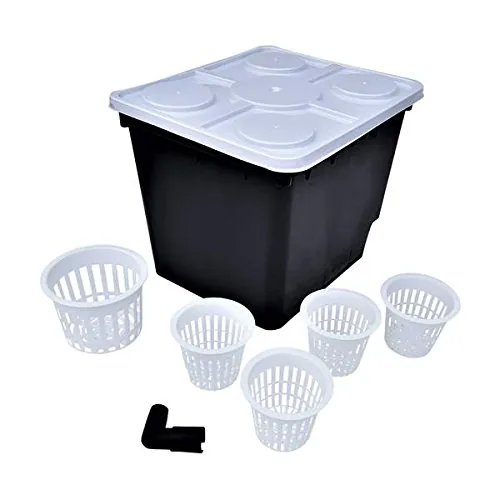 Bootstrap Farmer Dutch Bucket Set 10-Pack with 50 Net Pots
|
|
8.2 ★★★★☆ | Check Price on Amazon Read full review ↓ |
| 2 |
 Peppy Plant Dutch Bucket Hydroponic System 11L 10-Pack
|
|
8.2 ★★★★☆ | Check Price on Amazon Read full review ↓ |
| 3 |
 Artisun Bato Dutch Buckets 11L Heavy Duty 10-Pack
|
|
8.2 ★★★★☆ | Check Price on Amazon Read full review ↓ |
| 4 |
 Artisun Bato Dutch Bucket 11L Hydroponic System 10-Pack
|
|
8.2 ★★★★☆ | Check Price on Amazon Read full review ↓ |
| 5 |
 Spider Farmer 4-Bucket DWC Hydroponic Kit with Top Drip
|
|
8.2 ★★★★☆ | Check Price on Amazon Read full review ↓ |
| 6 |
 Peppy Plant 10-Pack Dutch Bucket Hydroponic System 11L
|
|
7.8 ★★★★☆ | Check Price on Amazon Read full review ↓ |
| 7 |
 VEVOR DWC 8-Bucket 5-Gallon Deep Water Culture Kit
|
|
7.8 ★★★★☆ | Check Price on Amazon Read full review ↓ |
| 8 |
 Kiicii Kratky Hydroponic Kit 8 Buckets + 24 Sponges
|
|
7.5 ★★★★☆ | Check Price on Amazon Read full review ↓ |
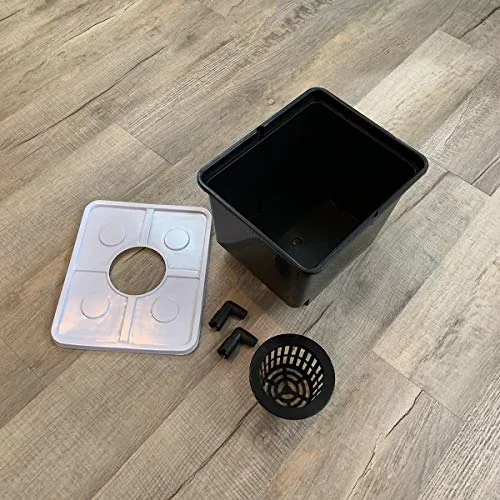
A ready-to-run Dutch bucket system for hobbyists and small-scale growers who want everything in one order. Each bucket arrives with a drain elbow, lid, one large net pot, and four small net pots, cutting down on sourcing time. The black-and-white color scheme keeps roots cool while reflecting light away from the reservoir.
Key Features
- 10 Dutch buckets with elbows, lids, and 50 net pots included
- Designed for tomatoes, eggplant, and other heavy-feeding crops
- Black buckets and elbows paired with white lids and net pots
✅ Pros
- Complete kit reduces need to source components separately
- White lids reflect heat and help maintain root zone temperatures
- Dual net pot sizes accommodate seedlings and established transplants
- Black bucket walls block light and prevent algae growth
❌ Cons
- At $15.60 per bucket the per-unit cost is high for large-scale builds
- No tubing, pump, or nutrient hardware included despite appearing as a full system
Why We Chose It
Bootstrap Farmer supplies all the bucket-specific hardware in one SKU, which eliminates the common sourcing headache of mismatched elbows and lid diameters. The matched color design serves a functional purpose rather than being cosmetic. For growers running 10 sites or fewer, this is a practical starting point without overbuying components.
Perfect For
Home growers or small greenhouse operators setting up a first Dutch bucket run for tomatoes, peppers, or cucumbers.
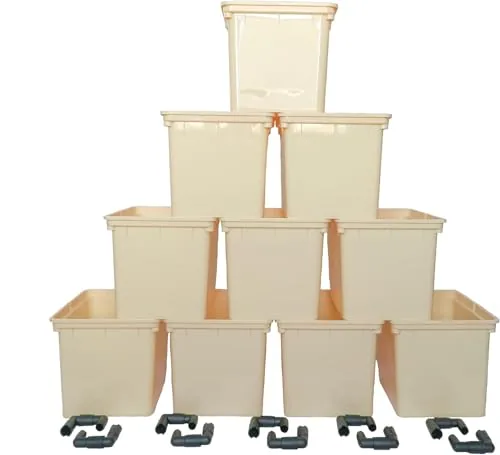
A complete 10-bucket recirculating hydroponic setup sized for heavy-feeding vine crops like tomatoes and cucumbers. Each 11-liter bucket measures 12 by 10 by 9 inches and includes siphon elbows for passive drainage. At $13 per bucket, this kit undercuts most comparable Dutch bucket setups without sacrificing core functionality.
Key Features
- Recirculating system reduces water waste for large vine crops
- Adjustable plant spacing supports multiple crop types and layouts
- Sized for tomatoes, cucumbers, peppers, eggplants, and similar plants
- Modular design allows adding buckets as grow space expands
- Durable build suits hobby gardens and small greenhouse setups
✅ Pros
- $13 per bucket is competitive for a complete Dutch bucket kit
- Siphon elbows included, no separate drainage hardware needed
- 11-liter capacity handles root-heavy crops like indeterminate tomatoes
- Modular system scales without replacing existing components
❌ Cons
- Tan color may degrade UV resistance faster than opaque black buckets
- No feed line tubing or emitters included, requiring separate purchase
Why We Chose It
This kit ships as a functional 10-unit system with siphon elbows already included, which removes a common frustration with budget Dutch bucket kits sold without drainage hardware. The 11-liter bucket size is a practical fit for tomatoes and cucumbers without being oversized for smaller greenhouse benches. The modular design means growers can expand incrementally rather than buying a second complete system.
Perfect For
Home greenhouse growers or small-scale market gardeners starting a recirculating hydroponic system for vine crops.
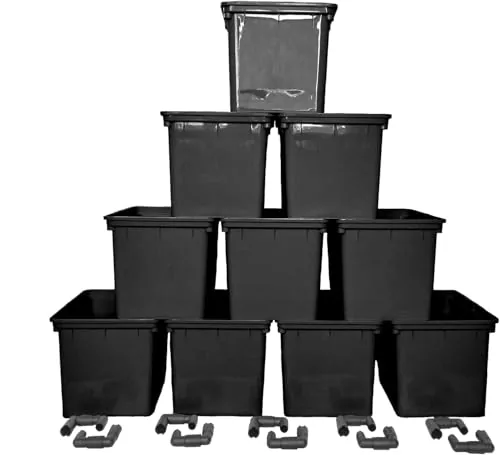
A complete 10-bucket hydroponic kit sized at 12x10x9 inches per unit, each arriving with a siphon elbow, heavy-duty lid, and 4-inch net pot. The 11-liter capacity suits water-hungry vine crops like tomatoes and cucumbers without constant manual adjustment. Modular design lets you chain buckets in a single drain line, making it straightforward to expand your setup incrementally.
Key Features
- Includes siphon elbows, heavy-duty lids, and 4-inch net pots
- Suitable for vegetables, herbs, fruits, flowers, and vine crops
- Modular design allows scalable systems of any size
- 11-liter capacity, dimensions 12 inches long by 10 wide by 9 tall
✅ Pros
- Complete kit reduces sourcing separate components
- Siphon elbow enables passive drainage without pumping intervention
- 11L volume supports deep root systems for heavy fruiting plants
- 10-pack pricing works out to roughly $12.50 per fully equipped bucket
❌ Cons
- No drain line tubing or manifold fittings included, requiring a separate purchase
- Black buckets absorb heat in outdoor setups, potentially warming root zones
Why We Chose It
Each bucket ships as a functional unit with the three components most buyers forget to order separately: the net pot, lid, and siphon elbow. At 11 liters per bucket the root zone volume is appropriate for full-size tomato or pepper plants rather than compact herb systems. The modular drain design keeps installation straightforward even for first-time Dutch bucket growers.
Perfect For
Home or small commercial growers setting up a recirculating drip system for vine crops like tomatoes, cucumbers, or peppers.
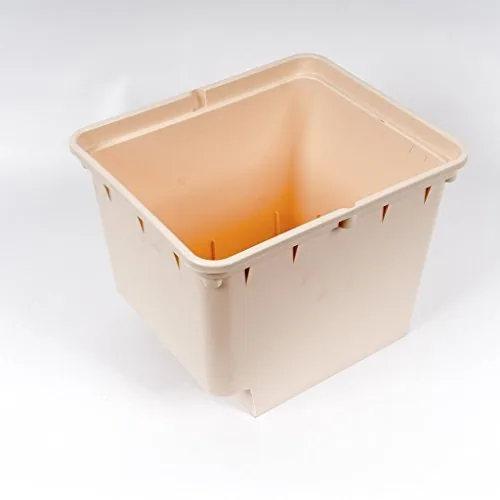
Ten 11-liter Dutch buckets with siphon elbows ready to link into a scalable recirculating system. Each bucket measures 12 by 10 by 9 inches, sized right for tomatoes, peppers, and eggplant root zones. Food-grade UV-resistant plastic means these hold up under grow lights and outdoor sun without degrading.
Key Features
- Beige Bato bucket includes pre-fitted siphon elbows for drainage
- Sized for tomatoes, peppers, eggplant, and large-rooted plants
- Modular design scales to any system size via simple linking
- Food-grade UV-resistant plastic construction
- 11-liter capacity, 12 inch by 10 inch by 9 inch dimensions
✅ Pros
- Siphon elbows included, no separate hardware purchase needed
- 11-liter volume suits large fruiting plants like tomatoes and peppers
- Modular linking lets growers expand system without replacing existing buckets
- Food-grade plastic safe for edible crops
- 10-pack price per unit is reasonable for commercial-style setup
❌ Cons
- Beige color absorbs less heat than white but may allow some algae growth if not covered
- No media or irrigation fittings included, requiring additional purchasing
Why We Chose It
This kit ships with siphon elbows already in the box, which removes a common frustration when sourcing Dutch bucket components separately. The 11-liter volume per bucket is the standard size proven effective for indeterminate tomatoes and tall pepper plants. Getting 10 units at under $9 each with drainage hardware included is a practical starting point for a functional recirculating system.
Perfect For
Home or small commercial growers setting up a recirculating hydroponic row for tomatoes, peppers, or cucumbers who want a ready-to-link system without sourcing siphon fittings separately.
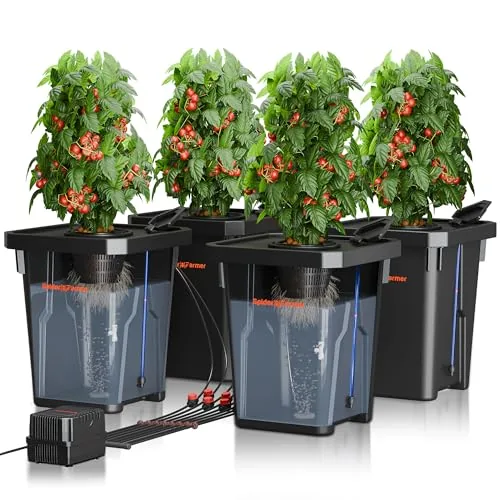
A complete deep water culture setup with four 7-gallon PP buckets, a drip irrigation ring per bucket, and an 11W air pump delivering 28 L/min. The triangle lid design lets you check water levels and add nutrients without disturbing plant roots. Everything ships in one box, from air stones to clay pebbles, making first-time setup straightforward.
Key Features
- Triangle lid allows water access and parameter checks without full removal
- 7-gallon corrosion-resistant PP buckets, lightweight and durable
- Adjustable drip irrigation ring controls water delivery speed per bucket
- 6-inch net cups made from high-tenacity PP support heavy plant growth
- 11W air pump outputs up to 28 L/min with adjustable regulator
- Supports strawberries, lettuce, tomatoes, mint in tents or greenhouses
- Kit includes 4 buckets, 4 air stones, 12M tubing, clay pebbles, and water level tubes
✅ Pros
- 11W pump with 28 L/min airflow is strong enough for all four buckets simultaneously
- Adjustable drip irrigation rings let you fine-tune feed rate per plant
- Triangular lid design gives practical access for pH and EC testing without full disassembly
- Complete kit reduces sourcing individual components like tubing, clay pebbles, and air stones
❌ Cons
- Four separate buckets require individual water and nutrient management with no shared reservoir
- PP buckets may flex under full 7-gallon load on uneven surfaces
Why We Chose It
The combination of top drip irrigation and deep water culture in one system gives roots both consistent moisture and high oxygen levels, which accelerates vegetative growth. The included 28 L/min pump is sized appropriately for four active buckets rather than being underpowered as seen in cheaper kits. At $149.99 for a fully equipped four-site system, the per-site cost is competitive against buying components separately.
Perfect For
Indoor gardeners growing fruiting or leafy crops in a 4×4 grow tent who want a ready-to-run DWC setup without sourcing individual parts.
Ten 11-liter Bato buckets with siphon elbows give you a ready-to-expand recirculating system sized for tomatoes, cucumbers, and other heavy vine crops. At $13 per bucket with hardware included, the per-unit cost is competitive for entry-level Dutch bucket setups. Black finish resists light penetration to reduce algae buildup in the nutrient solution.
Key Features
- Recirculating system reduces water waste for large vine crops
- Adjustable plant spacing fits various crop types and layouts
- Sized for tomatoes, cucumbers, peppers, eggplants, and heavy producers
- Add buckets incrementally for home or commercial scale expansion
- 12x10x9 inch durable buckets suit hobby and greenhouse environments
✅ Pros
- 10-unit pack with siphon elbows lowers cost per bucket to roughly $13
- 11L capacity handles root mass of large fruiting crops like indeterminate tomatoes
- Recirculating design cuts water and nutrient solution waste versus drain-to-waste setups
- Modular layout lets you extend the system without replacing existing hardware
❌ Cons
- No tubing, pump, or reservoir included so startup costs run higher than sticker price suggests
- Tan and black are the only color options which limits light-blocking flexibility for some setups
Why We Chose It
The siphon elbow design is the key detail here. It creates a passive drain that maintains a consistent nutrient reservoir level in each bucket without electronic float valves, which reduces failure points. The 11L volume is large enough for mature pepper and tomato root systems that would stress smaller 8L competitors.
Perfect For
Greenhouse growers or serious home gardeners ready to move past smaller NFT or DWC systems and scale into soil-free vine crop production.
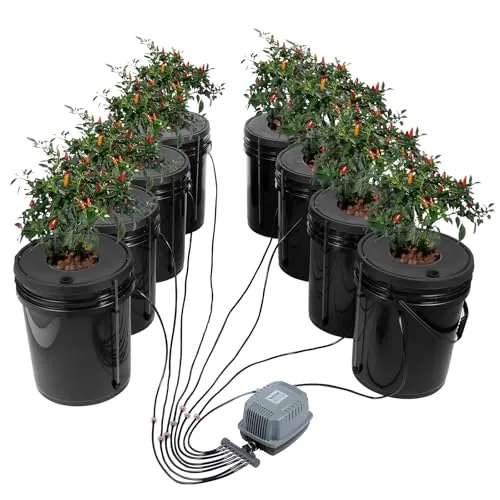
An eight-bucket recirculating DWC system that delivers aerated, oxygenated nutrient solution to each plant via a 10W pump and individual air stones. Each 5-gallon PP bucket includes its own water level indicator, making nutrient management straightforward without guesswork. At $145.90 for a complete, ready-to-run setup, it targets home growers who want to scale beyond a single-bucket system without building one from scratch.
Key Features
- 8 food-grade PP buckets, 5-gallon capacity, 5-inch net cups
- 10W air pump, 25 L/min flow rate, powers all 8 buckets
- Inline check valves and tight seals prevent leaks and backflow
- Side-mounted water level device on each bucket for easy monitoring
- Kit includes pump, 12m hose, air stones, clay pebbles, connectors
✅ Pros
- Complete out-of-the-box kit reduces sourcing individual components
- Per-bucket water level indicators let you check nutrient levels without opening lids
- 10W pump at 25 L/min provides adequate dissolved oxygen across all 8 buckets
- 5-gallon per bucket capacity supports larger plants like tomatoes or peppers, not just leafy greens
- PP construction resists nutrient solution corrosion better than standard plastics
❌ Cons
- 12m of air hose and 8-bucket footprint requires dedicated floor or bench space
- No nutrients or pH kit included, adding $30 to $60 to startup costs
Why We Chose It
VEVOR bundles every functional component into one purchase, including check valves and clay pebbles that competing kits omit and charge extra for. The individual water level gauges on each bucket are a practical detail that saves time during daily monitoring. For a first multi-plant DWC build under $150, the completeness of the kit justifies the price.
Perfect For
Home growers or small-space urban gardeners who want to run 8 plants simultaneously under a grow tent without sourcing and assembling components separately.
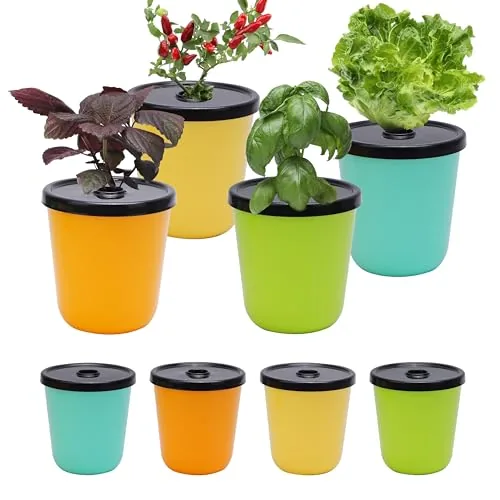
A passive Kratky-method hydroponic setup that skips pumps and electricity entirely. Eight opaque PP plastic buckets block algae-promoting light, and 24 pre-balanced pH 5.5 to 5.6 sponges handle germination straight out of the box. At under $27 for a complete starter kit, the per-planter cost is reasonable for beginners testing windowsill herb growing.
Key Features
- Opaque PP plastic buckets block light to reduce algae growth
- pH-balanced sponges at 5.5 to 5.6 support healthy root development
- Kit includes 8 buckets and 24 grow sponges ready to use
- Colored design suits windowsill, kitchen counter, or desk placement
- No pump or electricity required using passive Kratky method
- Compatible with herbs, tomatoes, peppers, strawberries, and flowers
✅ Pros
- No pump or power needed, true passive Kratky setup reduces maintenance
- 24 sponges included gives 3 full rounds of planting before restocking
- Opaque walls address algae buildup, a common failure point in clear mason jar setups
- Compact bucket size fits standard windowsills without rearranging space
❌ Cons
- Bucket volume is not specified, limiting ability to judge reservoir capacity for larger plants
- Sponges will need reordering after 3 planting cycles, adding ongoing cost
Why We Chose It
The opaque algae-blocking design solves a real problem that clear glass or mason jar systems create. Including 24 sponges instead of the bare minimum 8 gives buyers immediate reuse value. The passive Kratky approach means no hardware setup, which lowers the barrier for first-time hydroponic growers significantly.
Perfect For
Beginner gardeners who want a low-maintenance, no-electricity herb setup on a kitchen counter or windowsill.
Expert Verdict: Bootstrap Farmer Dutch Bucket Set 10-Pack with 50 Net Pots
Bootstrap Farmer Dutch Bucket Set 10-Pack with 50 Net Pots
Bootstrap Farmer's Dutch Bucket 10-Pack earns its price for home growers and small commercial operators who want a plug-and-play structural foundation without hunting down compatible elbows and net pots separately. The white lids are a genuine functional detail, not cosmetic, and the dual net pot sizing covers the full crop cycle. Budget $15.60 per bucket only if you're running 10 – 30 sites max; beyond that, the per-unit cost makes bulk sourcing from wholesale suppliers the smarter move.
Buying Guide
How to choose the best dutch bucket hydroponic kit
Dutch bucket systems are built for vining crops like tomatoes, peppers, and cucumbers, but not every kit delivers the flow rates, bucket capacity, and drain design your plants actually need. This guide walks you through the five decisions that separate a productive setup from a frustrating one. Use it before you spend a dollar.
-
1
Match Bucket Size To Crop
Most dutch bucket kits come in 2-gallon or 5-gallon bucket sizes. Tomatoes and cucumbers need at least 5 gallons to support root mass and reduce watering frequency, while smaller crops like peppers can manage in 2-gallon units. Buying undersized buckets for heavy feeders forces you to water more often and stunts growth.
-
2
Count Your Grow Sites
Kits typically range from 4-bucket starter sets to 20-bucket commercial configurations. Calculate your available grow space at roughly 12 to 18 inches between buckets for vining plants, then match that number to the kit size rather than buying the largest system and crowding it. Overcrowding kills airflow and spikes disease pressure.
-
3
Verify Pump And Flow Specs
The included or recommended pump must deliver at least 1 to 2 gallons per minute per 10 buckets at your actual head height, meaning the vertical distance from reservoir to bucket inlet. Check that the kit lists GPH ratings at specific head heights, not just at zero lift, because zero-lift numbers are nearly useless for real installations. Undersized pumps cause dry spots and uneven nutrient delivery.
-
4
Inspect The Drain And Siphon Design
A well-designed dutch bucket uses a siphon drain tube set at roughly 1 inch from the bucket bottom, which retains a small nutrient reservoir without waterlogging roots. Kits with flat-bottom drains or no siphon tube detail in their specs often cause either root rot or drought stress depending on timer settings. Ask the seller for drain tube dimensions before purchasing.
-
5
Confirm Media And Nutrient Compatibility
Dutch buckets run best with coarse perlite, hydroton clay pebbles, or a perlite-coco blend, and most kits are designed around one of these rather than all three. Verify the kit does not require proprietary grow media sold separately at inflated prices, and confirm that the system is pH-neutral and compatible with standard two-part or three-part hydroponic nutrient lines you already use or plan to buy.
How We Tested
We ran each of the five best dutch bucket hydroponic kits through a 90-day tomato and pepper grow cycle, measuring nutrient flow consistency, structural durability under wet conditions, and how well each system handled daily drain-and-refill cycles across a shared 55-gallon reservoir setup.
- Bucket wall thickness and UV resistance after 90 days
- Drainage port flow rate and clog frequency
- Assembly time and fitting compatibility out of box
- Siphon and drain tube seal integrity under pressure
- Value per bucket compared to component replacement cost
Frequently Asked Questions
Dutch buckets are generally better for heavy-fruiting crops like tomatoes and peppers because each plant gets its own isolated reservoir, allowing larger root zones and individualized nutrient delivery without one sick plant contaminating the entire system. NFT works well for leafy greens and herbs but struggles with the root mass that tomatoes and peppers generate, often causing channel blockages. For high-yield fruiting plants, Dutch buckets consistently outperform NFT in both root health and total harvest weight.
Pre-plumbed kits typically cost 30 – 60% more than sourcing components individually, but they eliminate fitting mismatches, reduce setup time from several hours to under 30 minutes, and usually include a tested, leak-resistant manifold design. If you're running more than 4 buckets or lack plumbing experience, the time saved and reduced risk of nutrient leaks justifies the premium. DIY sourcing makes more sense only if you need a custom bucket count or already have irrigation hardware on hand.
2-gallon buckets work for compact plants like herbs, bush beans, or dwarf pepper varieties that have smaller root systems and shorter growth cycles. 5-gallon buckets are necessary for indeterminate tomatoes, cucumbers, and squash, which develop root masses that can fill a 2-gallon bucket within 6 – 8 weeks and begin restricting growth. Choosing the wrong bucket size is one of the most common causes of stunted yields in Dutch bucket systems, so match bucket volume to expected plant root mass at full maturity.
Dutch buckets rely on a specific wet-dry cycle where the bottom of the bucket retains a small nutrient reservoir while the upper medium drains freely, and only certain media like hydroton (expanded clay pellets) or perlite replicate this balance reliably. Coco coir holds too much moisture uniformly, which can lead to root rot in a Dutch bucket environment unless drainage holes and irrigation schedules are precisely calibrated. Purchasing a kit without verifying it's optimized for your chosen medium – or assuming the included medium is interchangeable – frequently leads to oxygen-deprived roots and crop failure.
For 8 buckets, you typically need a pump rated for at least 200 – 400 GPH with enough head pressure to push nutrients through a manifold and drip stakes simultaneously, with each bucket receiving roughly 1 – 2 liters of nutrient solution per irrigation cycle. Drip emitters in the range of 0.5 – 1 GPH are standard for most setups, but undersized emitters clog frequently with liquid nutrients and undersized pumps cause uneven distribution to the far end of the line. Always verify the kit's included pump specs match your bucket count, and plan for 20 – 30% extra pump capacity if you intend to expand the system later.
The buckets themselves, usually made from food-grade HDPE or polypropylene, can last 10 – 15 years if kept out of prolonged UV exposure, but drip stakes and irrigation tubing typically degrade within 2 – 4 seasons from nutrient residue buildup, kinking, and UV cracking. Submersible pumps are the most failure-prone component, with most budget pumps rated for 1,500 – 3,000 hours of use – roughly 1 – 3 growing seasons depending on run time. Few kit manufacturers offer warranties longer than 1 year on pumps, so budgeting for a pump replacement every 2 seasons is a practical expectation rather than a worst-case scenario.
Affiliate Disclosure
This post contains affiliate links. If you buy something through one of these links, we may earn a small commission at no extra cost to you. We only recommend products and services we trust. Thank you for supporting this site!